🗓️
2023 - Present
Transforming a fragmented, outdated website into a scalable, multilingual platform for a global AV company.
tonwelt GmbH · 2023 – 2026 · UX/UI Design, Web & CMS
Scope
Website redesign · Multi-site architecture · Content system · Multilingual platform · SEO
Tools
Figma · Photoshop · TYPO3 · Notion
Focus
Transforming a fragmented, outdated website into a scalable, multilingual platform with a clear content structure, improved navigation, and flexible CMS-driven components
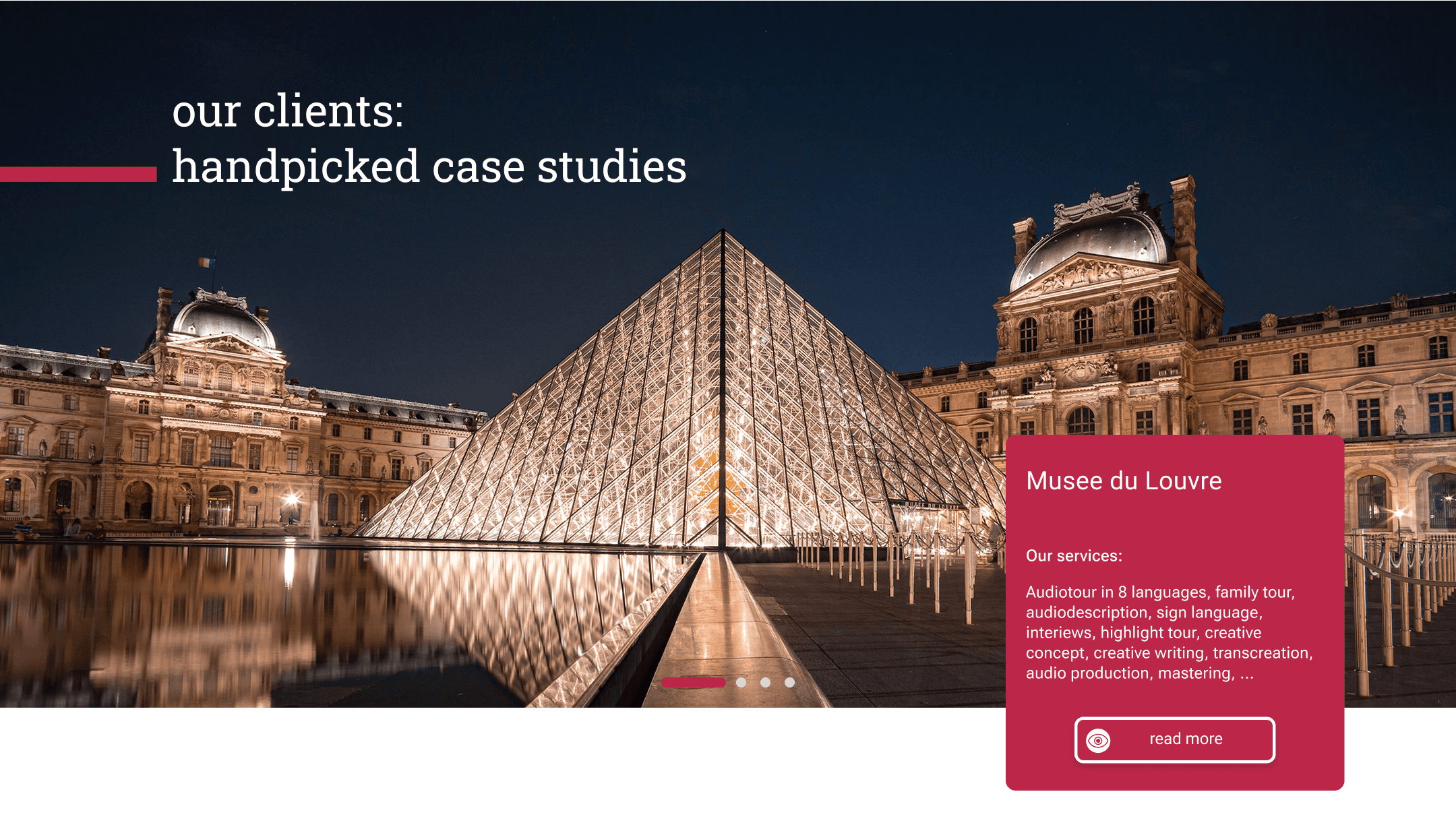
Project overview
Tonwelt’s website was not a simple marketing page, but a complex digital ecosystem supporting multiple companies, products, and international markets.
Over time, the platform had become difficult to maintain and scale. The existing TYPO3 setup limited the addition of new features, constrained SEO performance, and made content updates increasingly inefficient. At the same time, the website needed to communicate a wide range of products and services to different audiences, from museums and cultural institutions to technical partners and integrators.
The goal of the project was not only to redesign the interface, but to rethink the entire structure of the platform, creating a system that could support multiple sites, languages, and content types in a clear, flexible, and scalable way.
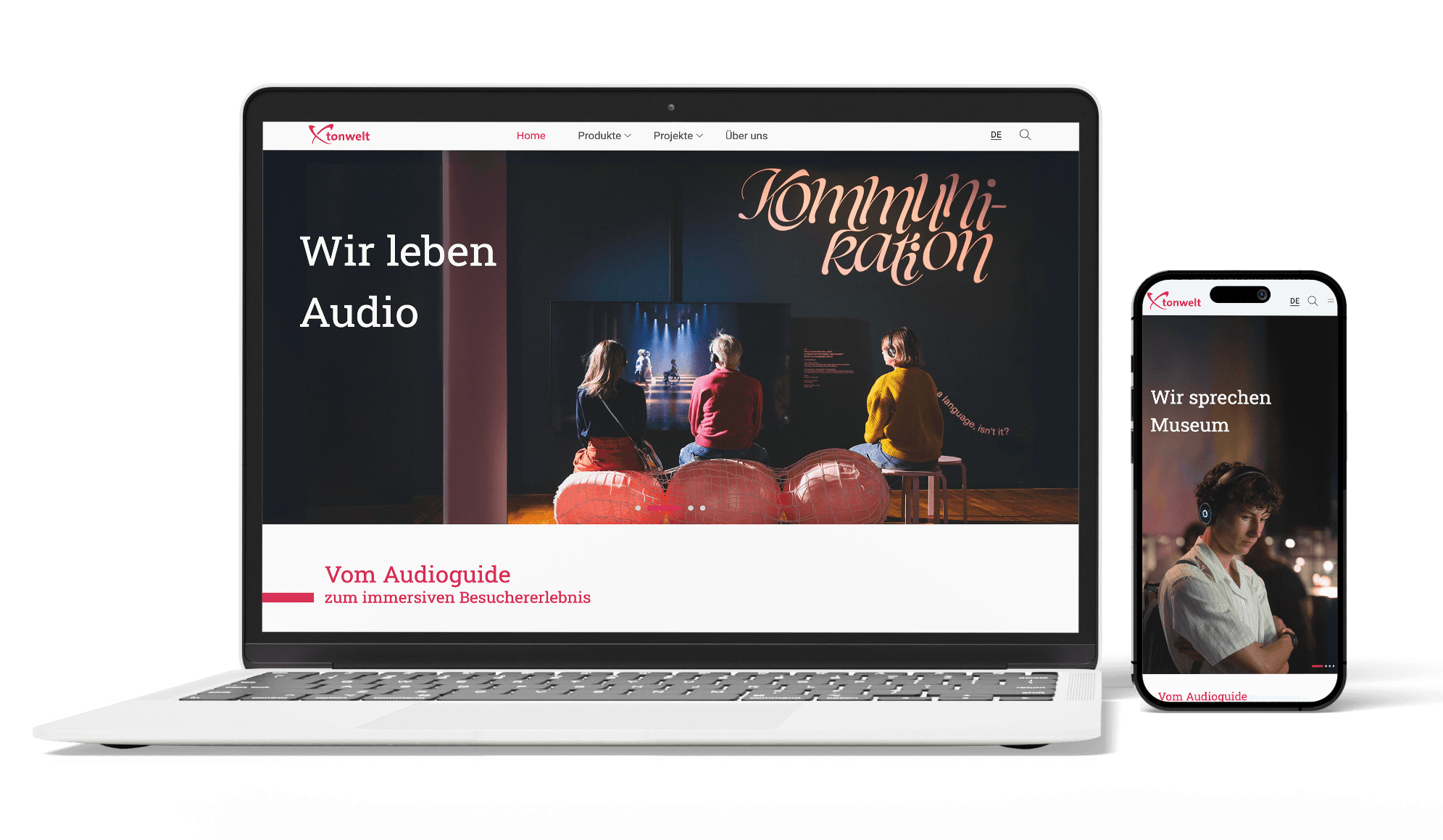
Platform at a glance
The redesign involved much more than a single marketing website.
The platform supported multiple regions, languages, and content structures across a growing digital ecosystem.
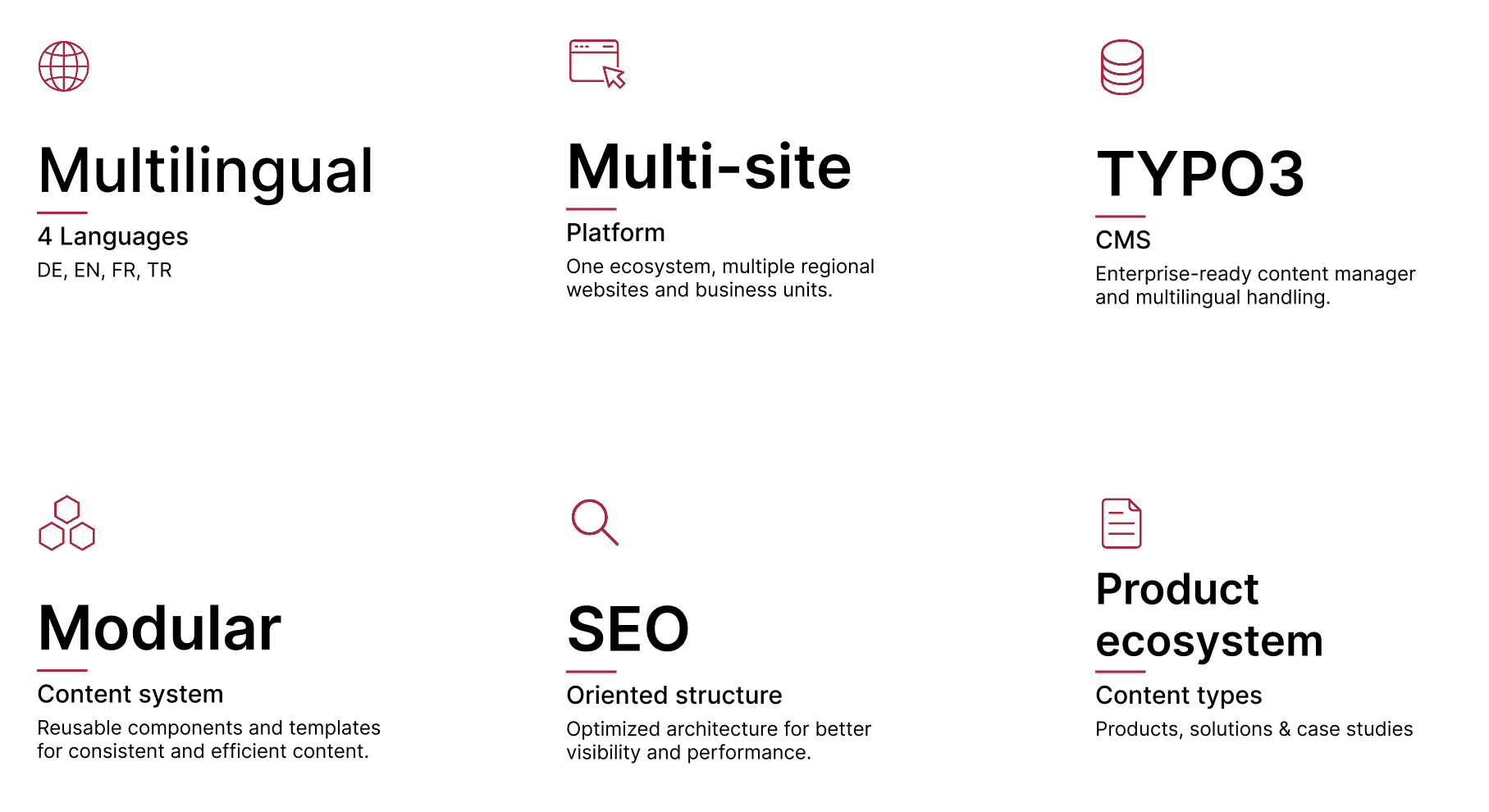
The challenge
The existing website presented both technical and structural limitations.The existing website presented both technical and structural limitations.
Key issues:
Limited CMS flexibility
Poor content hierarchy
Difficult navigation
Inefficient multilingual management
Content was difficult to manage and update, visual hierarchy was inconsistent, and the overall structure made it hard for users to navigate complex information. The CMS setup restricted flexibility, making it challenging to introduce new content types, dynamic elements, or improved SEO strategies.
Additionally, the platform needed to support multiple languages and regional variations, while addressing different user groups with distinct needs and expectations.
This required not just a visual redesign, but a fundamental restructuring of how content was organized, presented, and maintained.
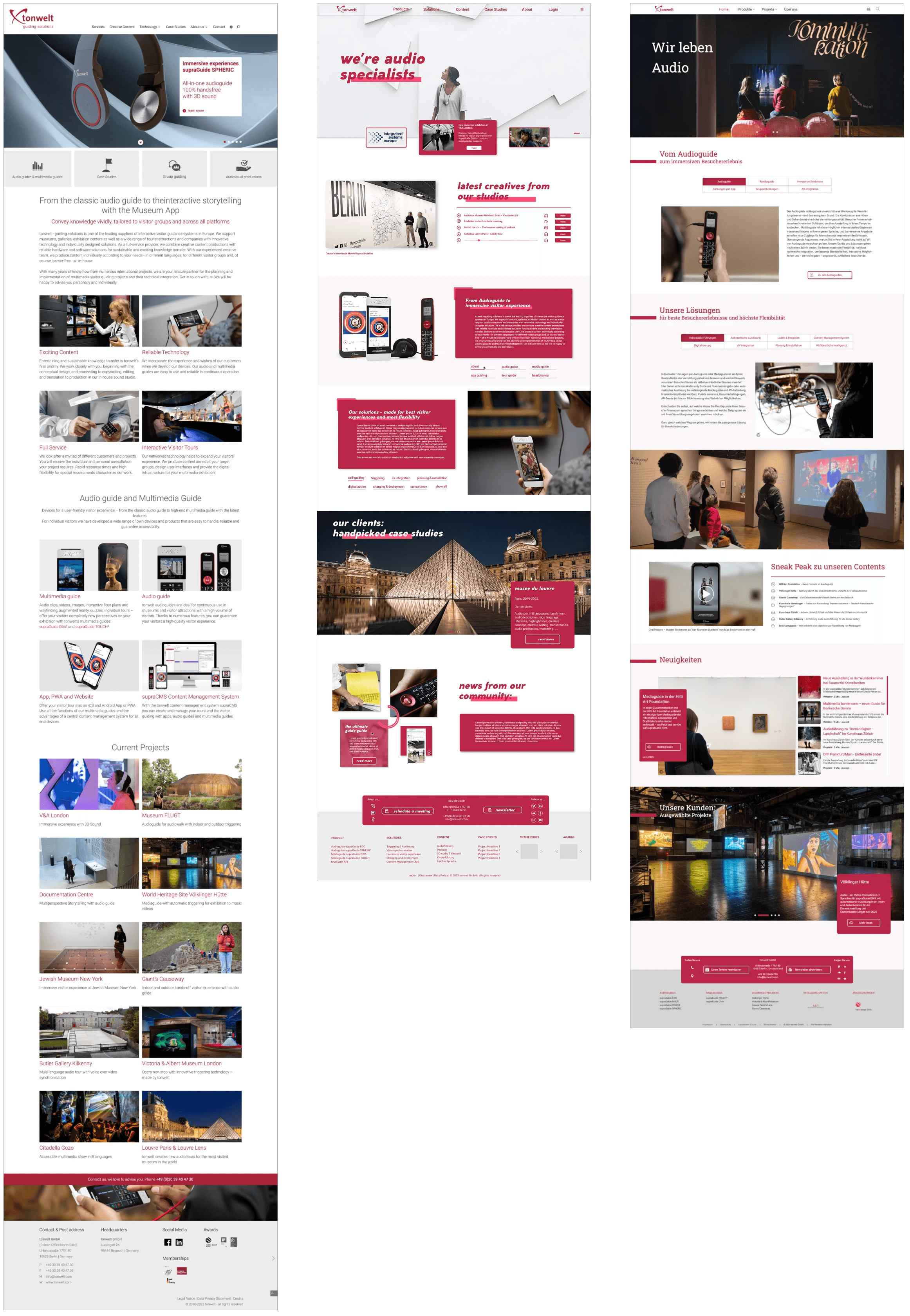
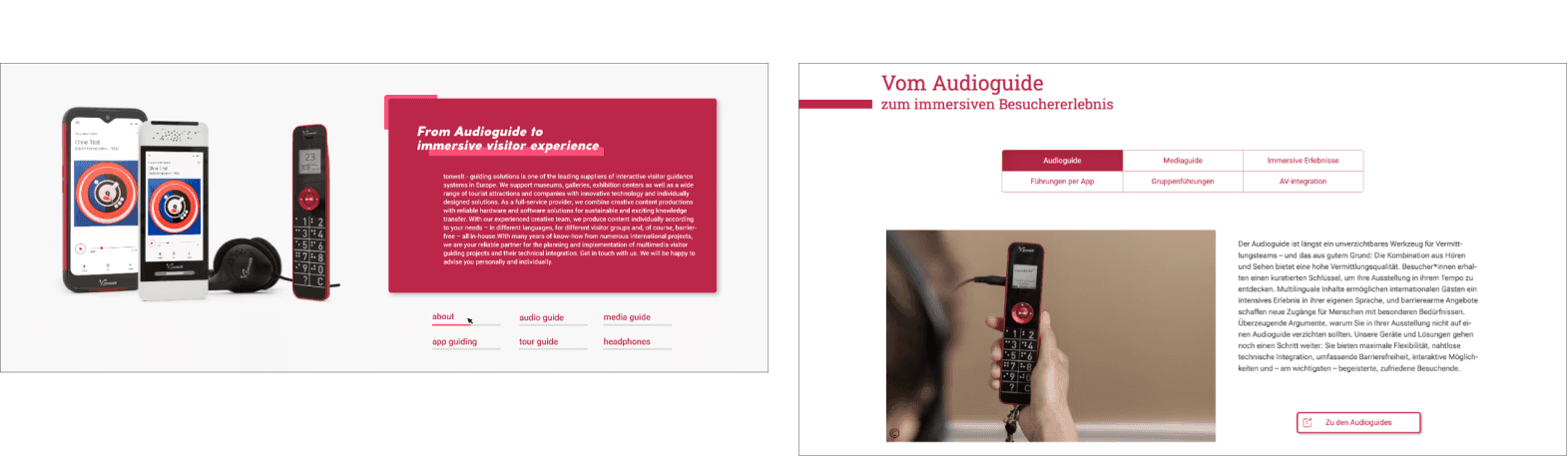
From the original website to an initial redesign and the final implementation, refining structure, visual hierarchy, and overall clarity.
Project complexity
This project went far beyond a traditional website redesign.
It involved restructuring a multi-layered ecosystem with multiple domains, international audiences, and a wide range of content types, from product pages and case studies to dynamic news and multimedia content.
The platform also required a scalable system that could be easily maintained internally, while supporting consistent experiences across all languages and regions.
Design decisions had to balance visual clarity, technical constraints, and long-term flexibility.
My role
I acted as a bridge between design, content, and implementation.
Defined page architecture and navigation structure
Translated initial design proposals into a functional and scalable system
Managed and structured multilingual content in TYPO3 (DE, EN, FR, TR)
Created and maintained a centralized content repository in Notion
Designed image compositions and visual assets
Implemented SEO-oriented content updates
Uploaded and managed all media assets (images, videos, graphics)
Tested features, identified issues, and collaborated closely with developers
Ensured consistency across all pages and languages
Modular structure
To support scalability, the platform was structured around reusable page types and modular content sections.
This made it possible to maintain consistency across products, solutions, case studies, and regional pages while allowing flexibility for different content needs.
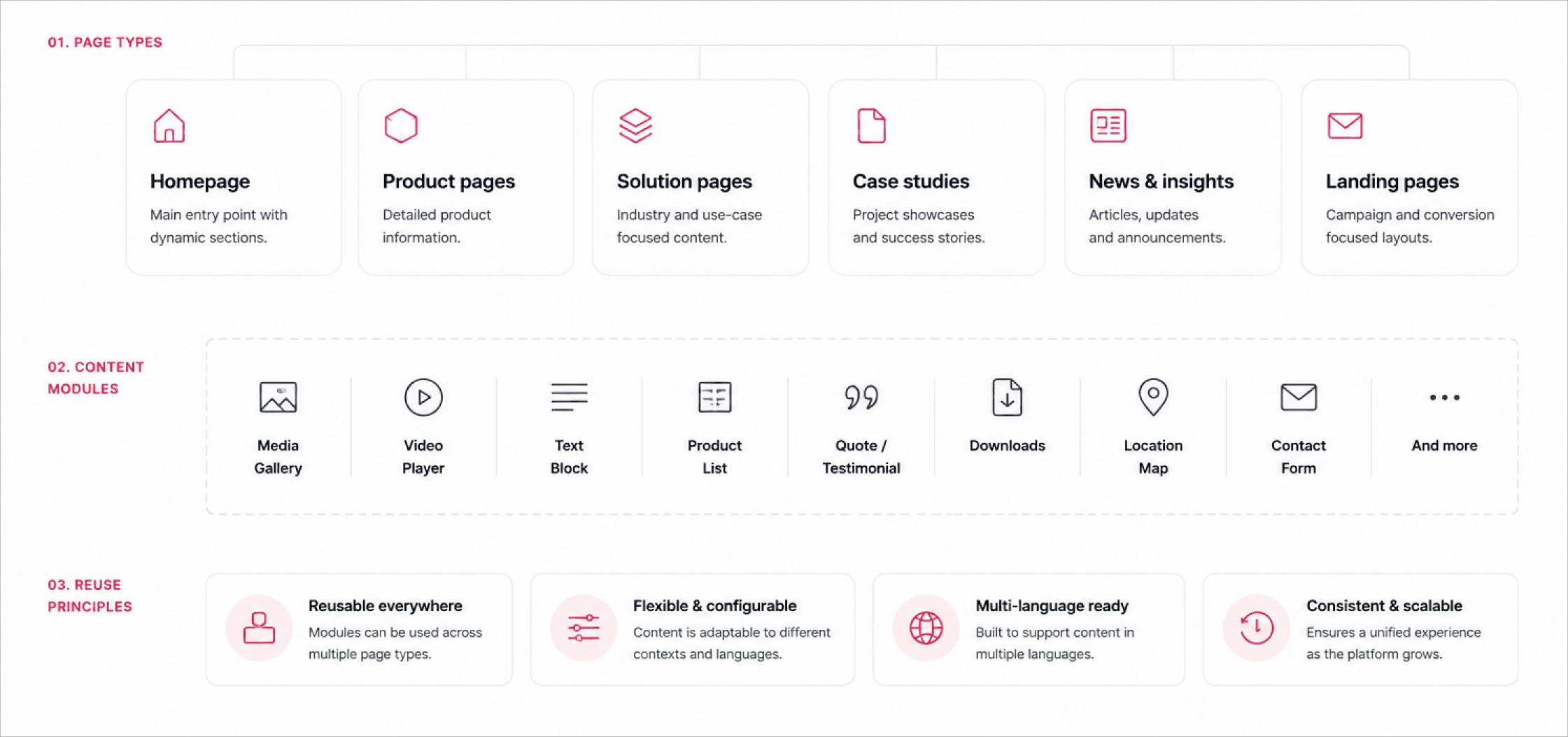
Design system & content modules
A flexible content system was developed to support different storytelling formats and interaction patterns.
Instead of designing static pages, the focus was on building a flexible content system that could support multiple storytelling formats and future scalability. This approach allowed the platform to scale over time while maintaining a consistent user experience.
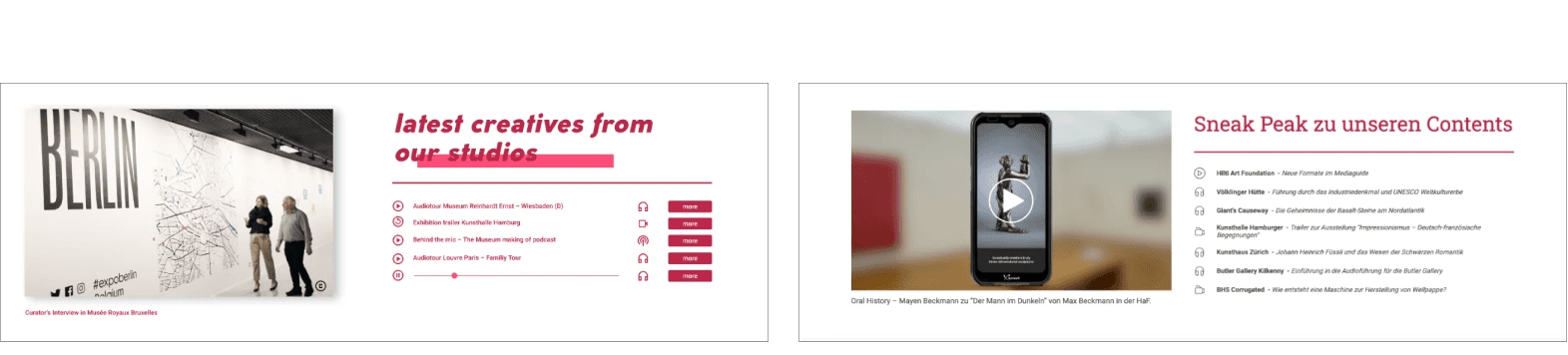
Media player
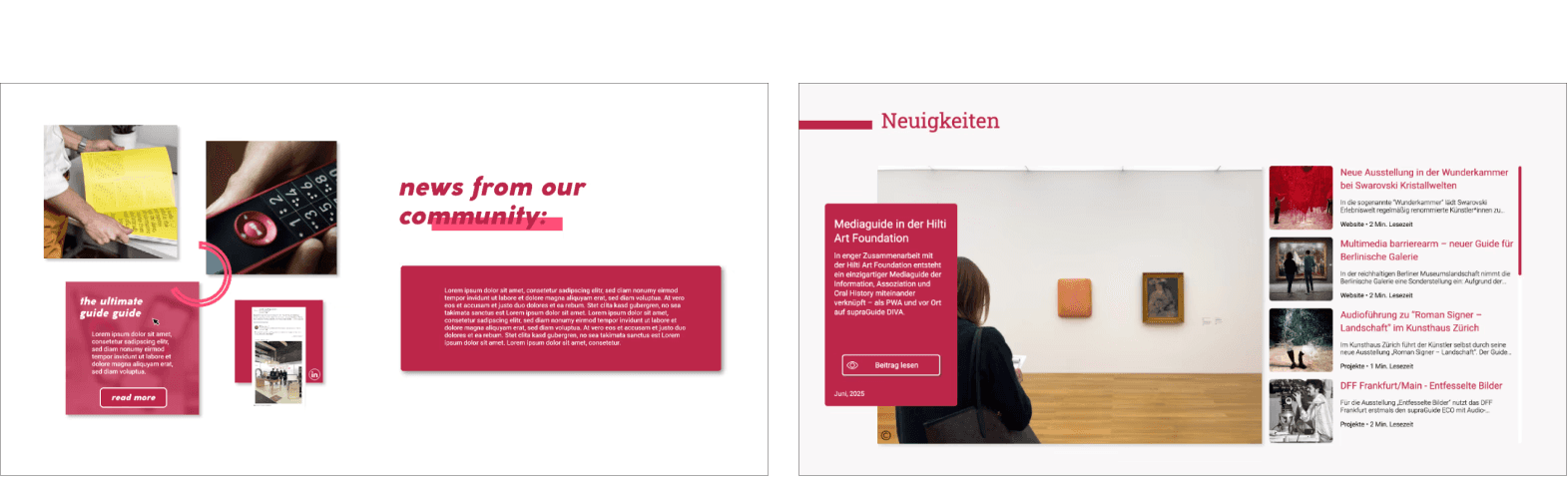
News
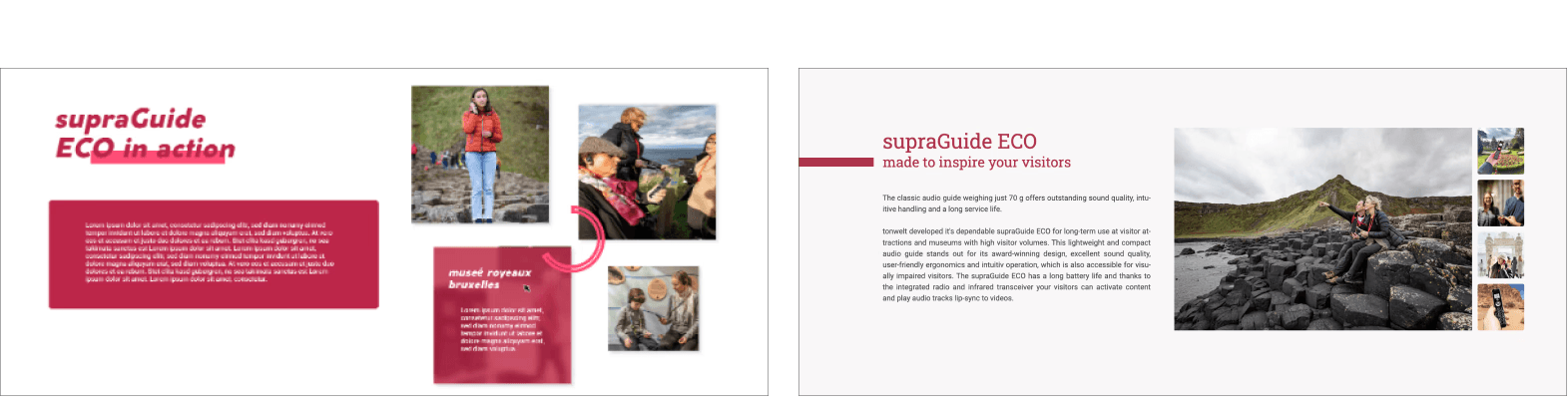
Product in use
Tab system
Redesign process
The redesign was carried out in stages, evolving from the original website to a more structured and user-centered solution.
The initial version presented a refreshed visual direction but lacked consistency and clarity. My work focused on refining the layout, improving hierarchy, and creating a more balanced relationship between text and visuals.
The final result is a cleaner, more structured interface that enhances usability while maintaining a strong visual identity.
Each iteration refined both visual clarity and content structure, moving from a visually inconsistent layout to a cohesive and scalable system.
Multilingual content strategy
A key part of the project was managing content across multiple languages and markets.
Content was first structured in a centralized system and then adapted across German, English, French, and Turkish versions of the website.
This required ensuring consistency while allowing flexibility for regional differences.
The implementation also improved how content could be maintained internally, making updates more efficient and scalable.
Implementation in TYPO3
Beyond design, I worked directly within TYPO3 CMS to build and manage the website structure.
This included uploading content, organizing pages, integrating media assets, and ensuring that all elements were correctly implemented across different languages and templates.
I also tested the website in production, identified issues, and collaborated with developers to ensure a stable and consistent final result.
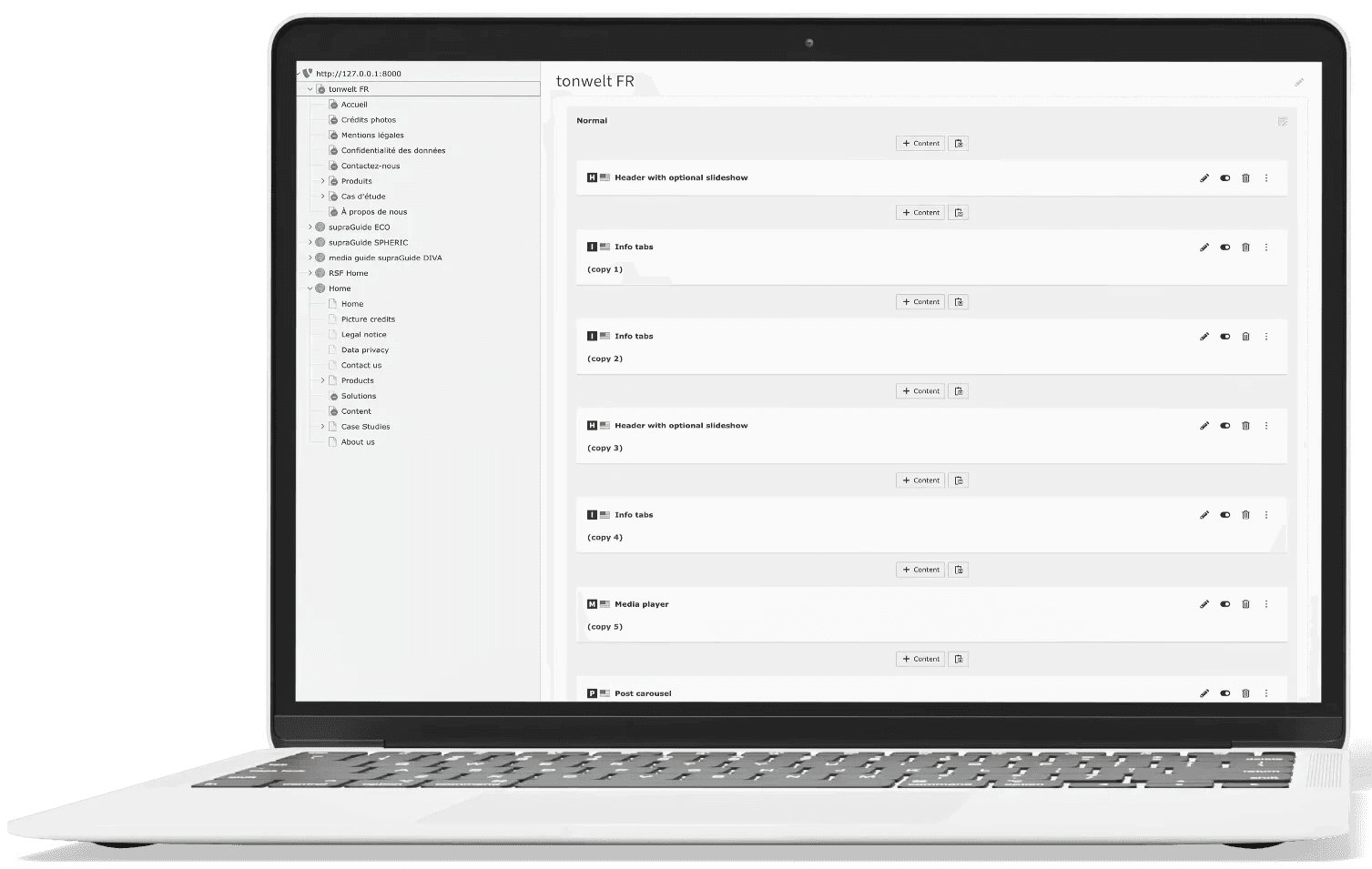
Direct implementation and content management in TYPO3 CMS across multiple language versions.
Impact & results
The redesign significantly improved both usability and content management.
Clearer visual hierarchy improved navigation and readability
More structured content made complex information easier to understand
A modernized interface aligned the website with Tonwelt’s brand positioning
Multilingual content became easier to manage and maintain
Improved media integration created a more engaging user experience
The modular system provided a scalable foundation for future growth
Key improvements
Clearer hierarchy
Better content balance
Scalable structure
Stronger visual identity
Learnings
This project reinforced the importance of designing scalable systems rather than isolated pages.
Working across UX, content strategy, CMS implementation, and multilingual management taught me how to balance visual clarity with technical and organizational complexity.
Most importantly, it strengthened my ability to transform large amounts of structured content into experiences that feel intuitive, flexible, and user-centered.